
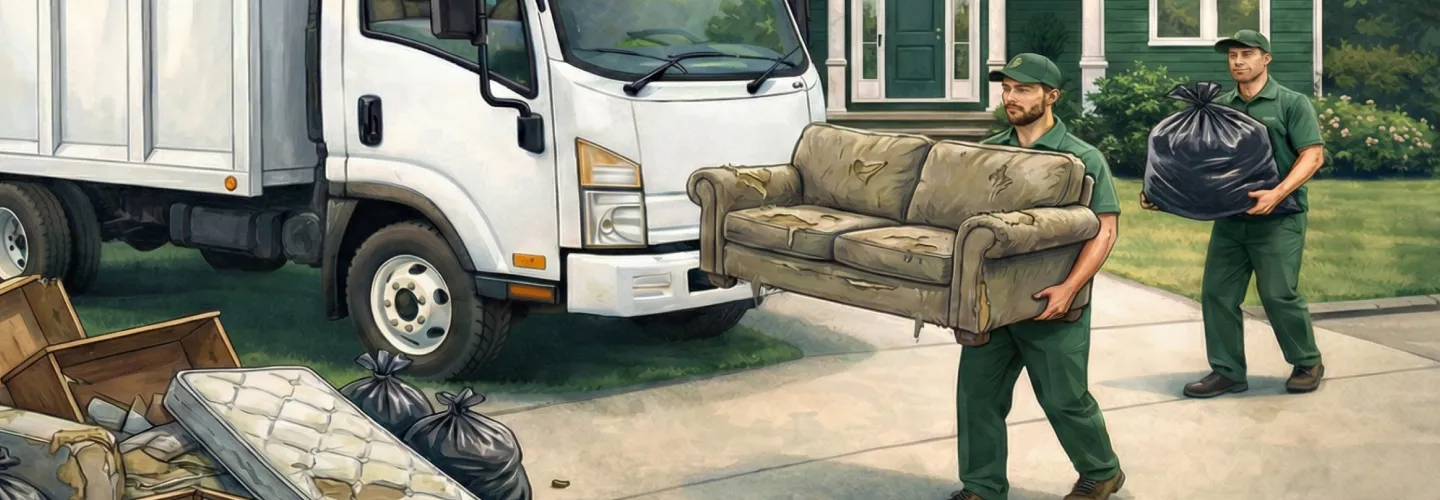
Peachtree City Estate Cleanout Services
Choose us for your estate cleanout needs and experience a stress-free process handled with care, respect, and professionalism—ensuring your property is cleared quickly and responsibly so you can focus on what matters most.
Get a Free QuoteOur Peachtree City Junk Removal Services
Estate Cleanout in Peachtree City, GA – Local Service Guide
Estate cleanout in Peachtree City, GA, requires a thoughtful approach tailored to local neighborhoods like Kedron Village, Planterra Ridge, and Wilksmoor. For residential items such as furniture, mattresses, appliances, and hot tubs, cleanouts often follow major life events, seasonal upgrades, or storm damage. Many residents opt to donate usable goods or recycle electronics and scrap metal, with logistics shaped by driveway access, weather, and item size. In residential spaces—garages, basements, attics, and yards—spring and fall are peak times for cleanouts, especially after storms or during yard waste cycles. Properties near Lake Peachtree or with heavy tree coverage may need more frequent service due to flooding or debris. Commercial clients in areas like The Avenue or industrial parks face unique needs: offices and restaurants require discreet, timely removal to minimize disruption, while warehouses and construction sites generate higher volumes and may need after-hours coordination. Specialty services, including dumpsters, foreclosure, hoarding, and construction debris cleanouts, demand careful planning, often involving property managers and city guidelines. For local rules and disposal resources, consult the Peachtree City Public Works Department.
Key Considerations for Estate Cleanout in Peachtree City
- Timing around seasonal weather and local events
- Required permits for large-scale disposals
- Approved disposal and recycling channels
- Property access and neighborhood restrictions
- Volume and category of items being removed
- Coordination with city services and property managers
Benefits of Estate Cleanout in Peachtree City
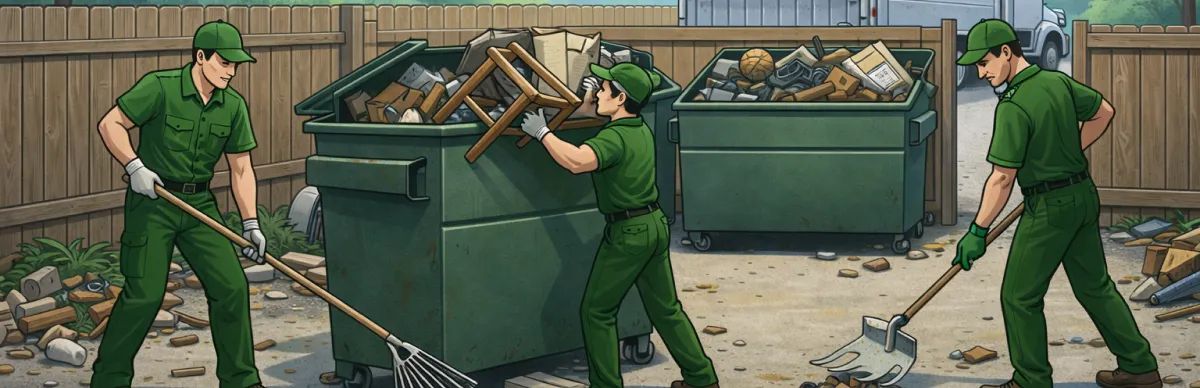
Fast and Efficient Cleanouts
Experienced Local Team
Eco-Friendly Disposal
Flexible Scheduling Options
Transparent Upfront Pricing
Comprehensive Estate Services
Coordinating Estate Cleanout Disposal with Peachtree City's Public Works Department
Estate cleanout projects in Peachtree City generate significant volumes of household items, furniture, appliances, and miscellaneous debris that require proper disposal coordination. The Peachtree City Public Works Department oversees sanitation services and can provide guidance on bulk item collection schedules and accepted materials. Residents undertaking estate cleanouts should be aware of the following municipal requirements:
- Bulk item pickup must be scheduled in advance through the Public Works Department; items should not be placed curbside without prior arrangement
- Appliances containing refrigerants (refrigerators, freezers, air conditioners) require certified refrigerant recovery before disposal under EPA Section 608 regulations
- Electronics and e-waste must be separated from general household waste and directed to appropriate recycling channels
- Yard waste and organic debris encountered during property clearing must be separated from household items
- Hazardous materials such as paint, solvents, pesticides, and automotive fluids are prohibited from regular waste streams
Peachtree City Public Works Department
151 Willowbend Road, Peachtree City, GA 30269
Phone: (770) 487-5940
Official Website: Peachtree City Public Works Department
Georgia's Solid Waste Management Regulations Affecting Estate Cleanout Operations
Estate cleanout services operating in Peachtree City must comply with Georgia's solid waste management framework administered by the Georgia Environmental Protection Division (GA EPD). The Georgia Comprehensive Solid Waste Management Act establishes statewide standards for waste handling, transportation, and disposal that directly affect how estate cleanout materials are processed. Key state-level compliance considerations include:
- Solid waste hauler permits are required for any commercial entity transporting waste materials on Georgia roadways; haulers must maintain proper licensing through GA EPD
- Landfill disposal restrictions prohibit certain materials including lead-acid batteries, used motor oil, and tires from entering municipal solid waste landfills
- Appliance disposal requires removal of doors on discarded refrigerators and freezers for safety, and certified refrigerant recovery before landfill acceptance
- Asbestos-containing materials found in older Peachtree City homes (pre-1980 construction) must be handled by licensed abatement contractors and disposed of at approved facilities per Georgia Rules Chapter 391-3-4
- Construction and demolition debris generated during estate renovation or structural cleanout must be directed to permitted C&D landfills rather than municipal solid waste facilities
Residents and service providers should consult GA EPD's Solid Waste Management Program for current disposal facility listings and permit requirements.
Georgia Environmental Protection Division
2 Martin Luther King Jr. Drive SE, Suite 1456, Atlanta, GA 30334
Phone: (404) 656-4713
Official Website: Georgia Environmental Protection Division
Hazardous Material Identification and Safe Handling During Peachtree City Estate Cleanouts
Estate properties in Peachtree City frequently contain hazardous materials that require specialized handling and cannot be disposed of through standard waste collection. Homes built before 1978 may contain lead-based paint, and structures constructed prior to 1980 may have asbestos in insulation, floor tiles, or pipe wrapping. Compliance with the EPA Renovation, Repair, and Painting Rule is mandatory when disturbing lead paint during cleanout activities. Critical hazardous material considerations include:
- Lead-based paint debris requires lead-safe work practices and disposal at facilities accepting hazardous waste; EPA-certified renovators must perform the work in pre-1978 homes
- Household chemicals including paint thinners, pesticides, pool chemicals, and cleaning solvents must be taken to designated hazardous waste collection events
- Propane tanks and compressed gas cylinders are prohibited from curbside collection and landfill disposal
- Medications and pharmaceuticals discovered during estate cleanouts should be directed to local pharmacy take-back programs or DEA-authorized collection sites
- Batteries — particularly lithium-ion and rechargeable types — pose fire risks in waste streams and must be recycled separately through programs such as Call2Recycle
Fayette County periodically hosts Household Hazardous Waste collection events; residents should contact the county for upcoming dates and accepted materials.
Recycling, Donation, and Material Recovery Options for Peachtree City Estate Cleanouts
Maximizing material diversion from landfills during estate cleanouts aligns with Georgia's waste reduction goals and Peachtree City's environmental stewardship priorities. Many items recovered from estate properties retain functional value and can be redirected through donation and recycling channels. The Peachtree City Code Enforcement division monitors property maintenance standards, and prompt removal and proper disposition of estate contents helps maintain neighborhood compliance. Recommended diversion strategies include:
- Furniture and household goods in usable condition may be donated to organizations such as Habitat for Humanity ReStore or local charitable thrift operations that accept scheduled pickups
- Scrap metal including appliance frames, copper wiring, aluminum fixtures, and steel items can be directed to licensed scrap metal recyclers in the Fayette County area
- Electronics such as computers, televisions, and peripherals should be taken to certified e-waste recyclers; Georgia does not currently have a statewide e-waste landfill ban, but responsible recycling is strongly encouraged
- Mattresses and box springs can often be recycled through specialized mattress recycling facilities; Georgia does not participate in a mattress EPR program, so disposal fees may apply
- Clothing and textiles should be separated and directed to textile recycling bins or charitable donation centers rather than placed in general waste
Peachtree City Code Enforcement
151 Willowbend Road, Peachtree City, GA 30269
Phone: (770) 487-5940
Official Website: Peachtree City Code Enforcement
Permits and Property Access Considerations for Estate Cleanout Projects in Peachtree City
Estate cleanout operations in Peachtree City may require coordination with multiple municipal departments depending on the scope of work and property conditions. The Peachtree City Building Department should be consulted when cleanout activities involve structural modifications, fixture removal, or demolition of built-in elements. Important permit and access considerations include:
- Building permits may be required if the estate cleanout involves removing built-in cabinetry, demolishing interior walls, or modifying plumbing and electrical systems
- Tree removal permits are required through the city's Tree Permit program if estate property clearing involves removing trees from the lot
- HOA coordination is essential in many Peachtree City subdivisions, as homeowners associations may restrict work hours, truck parking locations, and debris staging areas
- Golf cart path access — Peachtree City's extensive multi-use path system runs adjacent to many residential properties; cleanout vehicles and debris must not obstruct these pathways
- Noise ordinance compliance requires that heavy loading and equipment operation adhere to the city's established quiet hours
Peachtree City Building Department
151 Willowbend Road, Peachtree City, GA 30269
Phone: (770) 487-5940
Official Website: Peachtree City Building Department
What Neighborhoods Do We Serve Throughout Peachtree City, GA?
- Kedron Village: This established neighborhood features single-family homes dating from the 1980s and 1990s. Estate cleanouts here may encounter older appliances, attic insulation requiring hazardous material assessment, and mature landscaping that complicates truck access to rear-loading areas.
- Glenloch: A well-maintained subdivision with active HOA oversight requiring advance notification for cleanout vehicles and debris staging. Cul-de-sac street layouts may limit turning radius for larger removal trucks.
- Braelinn Village: One of Peachtree City's original planned communities with homes built in the late 1970s and early 1980s. Pre-1980 construction increases the likelihood of asbestos-containing materials in flooring and insulation during estate cleanouts.
- Planterra Ridge: Newer construction with wider driveways and more accessible lot configurations. HOA architectural guidelines may restrict visible debris staging and require same-day removal of items placed outside.
- Wilshire Heights: Features a mix of ranch-style and two-story homes with varying lot sizes. Proximity to the city's multi-use path system requires careful vehicle positioning to avoid path obstruction during loading operations.
- Aberdeen: A golf course community where estate cleanouts must account for golf cart path crossings and community gate access protocols. Larger estates may require multi-day cleanout scheduling with HOA-approved work windows.