
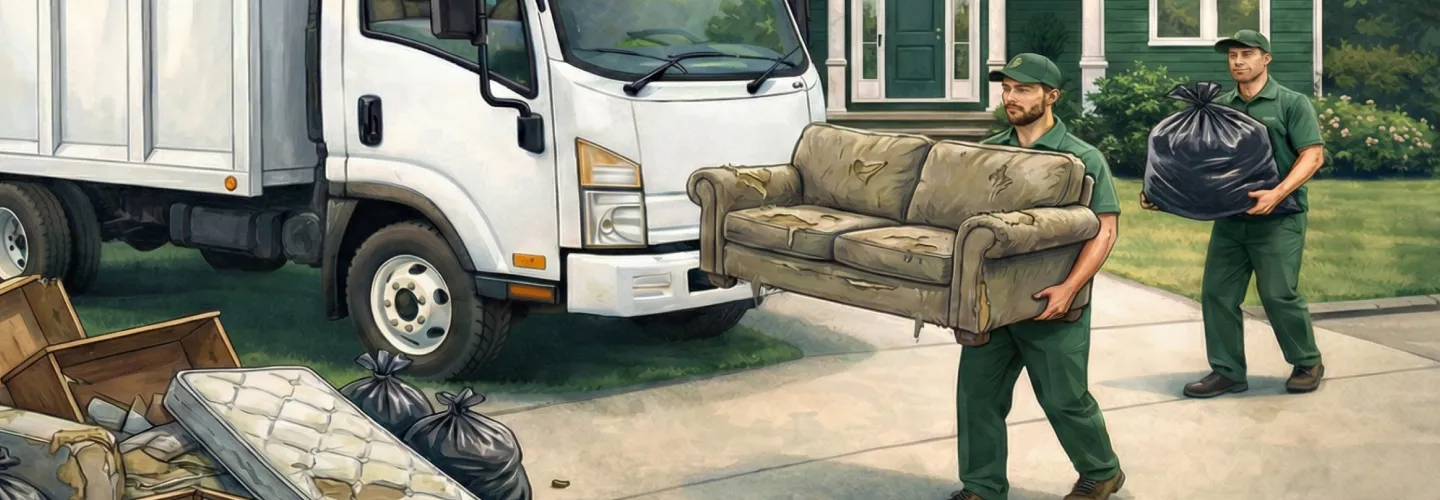
Peachtree City Restaurants Junk Removal Services
Choose our Restaurants Junk Removal for prompt, professional service that keeps your dining space clean, compliant, and welcoming—so you can focus on serving your customers, not the clutter.
Get a Free QuoteOur Peachtree City Junk Removal Services
Restaurants Junk Removal in Peachtree City, GA – Local Service Guide
Restaurants in Peachtree City, from The Avenue to Braelinn Village, face unique junk removal needs due to frequent renovations, seasonal menu changes, and strict health regulations. Timely removal of old kitchen equipment, furniture, and packaging is crucial to maintain compliance and operational efficiency. Local restaurants often schedule pickups after peak hours or during seasonal slowdowns to minimize disruption. In neighborhoods like Kedron Village, access for removal trucks can be affected by parking and delivery schedules, making coordination essential. For disposal, many items can be recycled or donated, but some require special handling per city guidelines. Weather, especially during summer storms, can impact logistics, so planning ahead is key. For more on local disposal rules and resources, visit the Peachtree City Public Works Department.
Key Considerations for Restaurants Junk Removal in Peachtree City
- Schedule removals during off-peak hours to avoid customer disruption
- Check if permits are needed for large-scale disposals or dumpsters
- Use approved disposal and recycling channels for equipment and electronics
- Ensure easy access for removal vehicles, especially in busy commercial centers
- Estimate junk volume accurately for efficient pickup coordination
- Separate category-specific items (e.g., grease traps, appliances) for proper handling
Benefits of Restaurants Junk Removal in Peachtree City
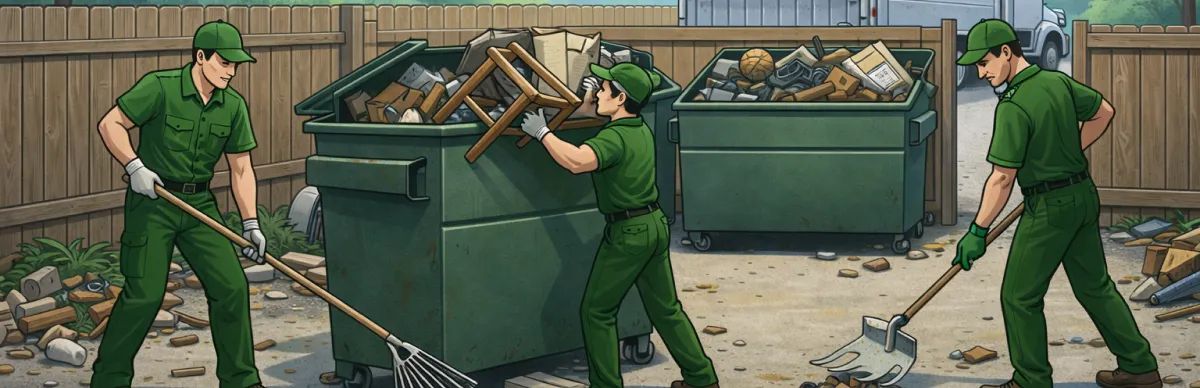
Fast and Reliable Service
Eco-Friendly Disposal Solutions
Flexible Scheduling Options
Licensed and Insured Team
Competitive Upfront Pricing
Comprehensive Junk Removal
Coordinating Restaurant Equipment and Debris Disposal with Peachtree City's Public Works Department
Restaurants in Peachtree City that undergo renovations, closures, or equipment upgrades must coordinate waste removal through proper municipal channels. The Peachtree City Public Works Department oversees sanitation services, stormwater management, and infrastructure maintenance, making it the primary point of contact for commercial waste disposal inquiries. Restaurant junk removal often involves bulky, heavy items that require special handling and cannot be placed in standard commercial waste containers.
- Commercial kitchen equipment (ovens, fryers, refrigeration units) must be separated from general debris before disposal
- Grease traps and used cooking oil are classified as regulated waste and cannot enter the municipal solid waste stream
- Broken furniture, booths, and fixtures may qualify for bulk collection but require advance scheduling
- Construction debris from restaurant renovations requires separate disposal arrangements
Restaurant operators should contact Public Works before initiating any large-scale cleanout to confirm accepted materials and scheduling requirements.
Peachtree City Public Works Department
151 Willowbend Road, Peachtree City, GA 30269
Phone: (770) 631-2535
Official Website: Peachtree City Public Works Department
Georgia Environmental Protection Division Requirements for Commercial Restaurant Waste
Restaurant junk removal in Peachtree City must comply with state-level solid waste regulations administered by the Georgia Environmental Protection Division (GA EPD). The Georgia Comprehensive Solid Waste Management Act (O.C.G.A. § 12-8-20 et seq.) establishes the framework for proper waste handling, transportation, and disposal across all commercial operations. Restaurants generate unique waste streams that demand careful classification and separation before removal.
- Refrigeration units containing refrigerants must undergo certified recovery per EPA Section 608 regulations before disposal; only EPA-certified technicians may handle refrigerant extraction
- Electronic point-of-sale systems, monitors, and computing equipment should be directed to certified e-waste recyclers, as Georgia encourages responsible electronics recycling
- Fluorescent lighting fixtures contain mercury and are classified as universal waste under federal and state hazardous waste rules
- Grease interceptor waste must be transported by licensed haulers to approved treatment facilities
Violations of state solid waste regulations can result in civil penalties, making compliance essential for all restaurant operators in Peachtree City.
Peachtree City Code Enforcement and Health Department Standards for Restaurant Cleanouts
Restaurant junk removal projects in Peachtree City must adhere to municipal code enforcement standards that govern property maintenance, debris storage, and commercial waste handling. The Peachtree City Code Enforcement Division investigates violations related to improper waste storage, unauthorized dumping, and failure to maintain commercial properties during renovation or closure activities. Restaurants undergoing cleanouts must ensure that debris does not accumulate on sidewalks, parking areas, or adjacent properties.
- Debris staging areas must not obstruct fire lanes, ADA-accessible routes, or emergency vehicle access
- Temporary waste storage on commercial property should not exceed the duration specified in municipal ordinances
- Pest control considerations are critical when removing food-contact surfaces, as improperly stored restaurant debris can attract rodents and insects
- Fayette County Environmental Health oversees food service establishment regulations and may require inspection clearance before or after major cleanout projects
Restaurant owners planning significant junk removal should notify Code Enforcement in advance to avoid potential violations during the removal process.
Peachtree City Code Enforcement
151 Willowbend Road, Peachtree City, GA 30269
Phone: (770) 487-7657
Official Website: Peachtree City Code Enforcement
Safe Handling of Hazardous Materials During Peachtree City Restaurant Junk Removal
Restaurant cleanouts frequently involve hazardous or regulated materials that require specialized handling procedures. Peachtree City restaurant operators and junk removal providers must identify and properly segregate these materials before transport. Buildings constructed before 1978 may contain lead-based paint on walls and fixtures, requiring compliance with the EPA Renovation, Repair, and Painting Rule during demolition or renovation activities.
- Used cooking oils and grease must be collected by licensed rendering or recycling companies and cannot be disposed of in storm drains or municipal sewer systems; contact the Peachtree City Water and Sewerage Authority regarding discharge restrictions
- Cleaning chemicals, solvents, and sanitizers are classified as hazardous waste and must be transported to approved household hazardous waste collection facilities
- Propane tanks and compressed gas cylinders are prohibited from landfill disposal and require return to authorized dealers
- Asbestos-containing materials in older restaurant buildings require licensed abatement contractors and proper notification to GA EPD before removal
- Fire suppression system chemicals must be handled by certified technicians during hood and suppression equipment removal
Workers performing restaurant junk removal should use appropriate personal protective equipment including chemical-resistant gloves, respiratory protection, and eye protection when handling unknown substances.
Recycling and Donation Opportunities for Peachtree City Restaurant Equipment and Furnishings
Before disposing of restaurant items in landfills, Peachtree City restaurant operators should explore recycling and donation pathways that support landfill diversion and community benefit. Georgia's solid waste management goals encourage waste reduction and material recovery, and many restaurant items retain significant reuse value. The Georgia Environmental Protection Division promotes waste reduction hierarchies that prioritize reuse and recycling over landfill disposal.
- Functional kitchen equipment (commercial ovens, prep tables, walk-in cooler components) can be donated to restaurant supply resellers or nonprofit organizations
- Scrap metal recovery from stainless steel tables, shelving, and equipment frames provides significant recycling value; local scrap yards in Fayette County accept sorted metals
- Wooden booths, chairs, and tables in repairable condition may be accepted by Habitat for Humanity ReStore or similar organizations in the greater Atlanta metro area
- Cardboard, paper products, and packaging materials should be separated and directed to recycling facilities rather than mixed with general debris
Restaurant operators should document donated items for potential tax deduction purposes and obtain receipts from receiving organizations. The Peachtree City Building Department can provide guidance on permit requirements when renovation-related junk removal generates construction and demolition debris eligible for recycling.
Peachtree City Building Department
151 Willowbend Road, Peachtree City, GA 30269
Phone: (770) 487-7657
Official Website: Peachtree City Building Department
What Neighborhoods Do We Serve Throughout Peachtree City, GA?
- Kedron Village and Aberdeen: These established commercial and residential areas along GA Highway 74 include numerous restaurant locations in shopping centers. Loading access varies by plaza configuration, and coordination with property management is often required for rear-access removal from kitchen areas.
- Braelinn Village: A mixed-use area with restaurants situated in a walkable village center. Narrow service corridors behind commercial units may limit equipment removal to smaller vehicles, and pedestrian traffic requires careful scheduling during off-peak hours.
- Westpark and Lexington Circle: Commercial corridors with standalone and strip-center restaurants. These locations generally offer wider rear service access and dedicated loading zones, facilitating removal of large kitchen equipment and walk-in cooler components.
- Glenloch and Planterra Ridge: Primarily residential neighborhoods where home-based food service operations or catering businesses may require periodic equipment disposal. Cart path crossings and residential street widths should be considered when scheduling removal vehicles.
- City Center and Drake Field Area: The downtown core includes restaurants near municipal facilities. Proximity to city offices means heightened code enforcement visibility, and operators should ensure debris staging complies with all municipal property maintenance standards.
- Wilksmoor and Kedron Hills: Suburban neighborhoods with nearby commercial restaurant clusters. Access through residential streets to reach adjacent commercial properties may require attention to noise ordinances and operating hour restrictions established by the city.