
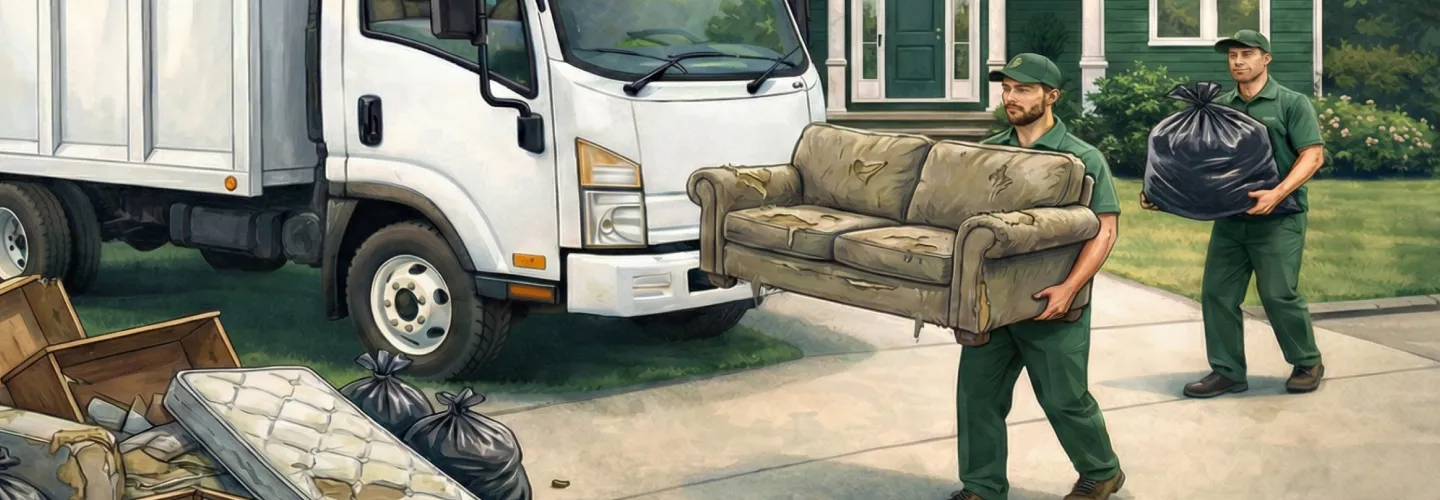
Peachtree City Construction Debris Removal Services
Choose our Construction Debris Removal for fast, reliable service that keeps your site safe, organized, and ready for the next phase—saving you time and hassle every step of the way.
Get a Free QuoteOur Peachtree City Junk Removal Services
Construction Debris Removal in Peachtree City, GA – Local Service Guide
Construction debris removal in Peachtree City, GA, is essential for keeping homes and businesses safe, clean, and compliant with local regulations. Whether you’re renovating a home in Planterra Ridge, clearing out a garage in Braelinn, or managing a commercial build near The Avenue, timely debris removal ensures projects stay on track and neighborhoods remain attractive. For residential items like old appliances, mattresses, or hot tubs, removal often follows seasonal upgrades, storm damage, or major life events. Local options include donation, recycling, or responsible disposal, with logistics shaped by driveway access, weather, and item size. Residential spaces such as basements and yards see increased debris during spring cleanouts or after storms, especially in areas with heavy tree coverage or flood risk. Commercial clients—offices, restaurants, and construction sites—require discreet, scheduled pickups to minimize disruption and handle larger volumes. Specialty services, including dumpster rentals or estate cleanouts, demand careful planning and coordination, particularly for properties in established neighborhoods or during estate transitions.
Benefits of Construction Debris Removal in Peachtree City
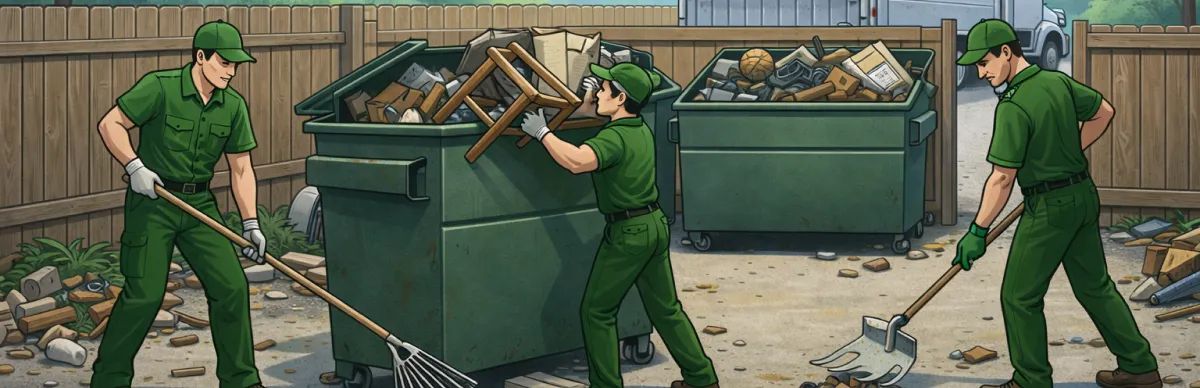
Fast and Reliable Cleanup
Eco-Friendly Disposal Practices
Improved Site Safety
Cost-Effective Debris Solutions
Flexible Scheduling Options
Experienced Local Professionals
Coordinating Construction Debris Removal with Peachtree City's Public Works Department
Construction and demolition (C&D) debris generated from renovation, remodeling, or demolition projects in Peachtree City must be managed in accordance with municipal waste handling requirements. The Peachtree City Public Works Department oversees sanitation services and infrastructure maintenance, including guidance on proper debris disposal channels. Residents and contractors should be aware of the following requirements:
- Prohibited curbside disposal: Construction debris such as lumber, drywall, concrete, brick, roofing materials, and metal framing is not accepted through standard residential curbside collection
- Hauler responsibility: Contractors generating C&D waste are responsible for arranging transport to an approved disposal or recycling facility
- Site cleanliness: Active construction sites must maintain debris containment to prevent material from entering stormwater systems or neighboring properties
- Scheduling coordination: Large-scale debris removal requiring street access or heavy equipment should be coordinated with city departments in advance
Peachtree City Public Works Department
151 Willowbend Road, Peachtree City, GA 30269
Phone: (770) 631-2540
Official Website: Peachtree City Public Works Department
Building Permits and Code Enforcement for Demolition Debris in Peachtree City
Any renovation or demolition project generating construction debris in Peachtree City typically requires a building permit issued by the Peachtree City Building Department. Permit applications are reviewed for compliance with local building codes, zoning ordinances, and waste management plans. The Peachtree City Code Enforcement division monitors active and completed project sites for violations related to debris accumulation and improper disposal. Key regulatory considerations include:
- Building permit requirement: Demolition, structural renovation, and major remodeling projects require an approved permit before work begins
- Waste management plan: Larger projects may require documentation of how C&D debris will be sorted, transported, and disposed of or recycled
- Property maintenance standards: Debris must not be allowed to accumulate on-site beyond the active project period; violations may result in code enforcement action
- Tree removal permits: Projects involving tree clearing must obtain a separate tree permit in compliance with Peachtree City's tree canopy preservation ordinance
Peachtree City Building Department
151 Willowbend Road, Peachtree City, GA 30269
Phone: (770) 487-7657
Official Website: Peachtree City Building Department
Georgia's Solid Waste Management Act and Construction Debris Disposal Requirements
Construction and demolition debris disposal in Peachtree City is governed at the state level by the Georgia Comprehensive Solid Waste Management Act (O.C.G.A. § 12-8-20) administered by the Georgia Environmental Protection Division (GA EPD). This legislation establishes standards for solid waste handling, transport, and disposal across all Georgia municipalities. Contractors and property owners should understand the following state-level requirements:
- Permitted facilities only: C&D debris must be delivered to facilities holding a valid Georgia solid waste handling permit — including licensed C&D landfills and recycling operations
- Inert waste distinction: Materials such as concrete, brick, and uncontaminated soil may qualify as inert waste and can be accepted at inert waste landfills, which have different permitting requirements
- Hazardous material exclusion: Asbestos-containing materials, lead-based paint debris, and chemical-contaminated waste are classified as hazardous and must be handled separately under state and federal regulations
- Manifest and tracking: Commercial haulers transporting C&D waste must maintain proper documentation of waste origin, volume, and destination facility
Material Sorting and Recycling Mandates for Peachtree City Construction Projects
Effective construction debris management in Peachtree City requires proper sorting and separation of recyclable materials from general waste. The Georgia Environmental Protection Division encourages waste diversion through recycling of recoverable construction materials, and Fayette County facilities may impose sorting requirements at the point of disposal. Proper material separation reduces landfill burden and may lower disposal costs. Common C&D materials and their recycling pathways include:
- Concrete, brick, and masonry: Can be crushed and recycled as aggregate for road base and fill material at approved recycling facilities
- Scrap metal: Steel framing, copper wiring, aluminum flashing, and other metals have significant resale value and should be separated for scrap metal recycling
- Clean wood and lumber: Untreated, unpainted wood may be accepted for mulching or biomass processing; treated or painted wood requires standard disposal
- Asphalt shingles: Some regional facilities accept shingles for recycling into road paving material
- Drywall and gypsum board: Clean drywall may be recycled at specialized facilities; contaminated or painted drywall typically requires landfill disposal
Refrigerant-containing equipment such as HVAC units encountered during demolition must have refrigerant recovered by a certified technician in compliance with EPA Section 608 regulations before disposal. Properties built before 1978 may contain lead-based paint, requiring adherence to the EPA Renovation, Repair, and Painting Rule during debris handling.
Safety and Hazardous Material Handling for Peachtree City Demolition Projects
Construction debris removal presents significant safety and environmental hazards that require careful management. Peachtree City contractors and property owners must comply with federal OSHA standards and state environmental regulations when handling potentially hazardous construction materials. Critical safety and compliance considerations include:
- Asbestos surveys: Structures built before 1980 may contain asbestos in insulation, floor tiles, roofing, and pipe wrap; a certified asbestos inspector must conduct a survey before demolition or renovation begins
- Lead-based paint: Pre-1978 buildings require lead-safe work practices; EPA-certified renovation firms must follow containment and cleanup procedures to prevent lead dust exposure
- Silica dust control: Cutting, grinding, or demolishing concrete and masonry generates respirable crystalline silica; OSHA's silica standard (29 CFR 1926.1153) requires dust controls and exposure monitoring
- Stormwater protection: Construction sites must implement erosion and sediment controls to prevent debris and sediment from entering Peachtree City's stormwater system, as managed by the Peachtree City Engineering Department
- Personal protective equipment: Workers handling C&D debris must use appropriate PPE including hard hats, steel-toed boots, cut-resistant gloves, eye protection, and respiratory protection when airborne hazards are present
Peachtree City Code Enforcement
151 Willowbend Road, Peachtree City, GA 30269
Phone: (770) 487-7657
Official Website: Peachtree City Code Enforcement
What Neighborhoods Do We Serve Throughout Peachtree City, GA?
- Kedron Village: This established residential area features single-family homes with mature tree canopy that may require tree removal permits before demolition or major renovation. Wide residential streets generally accommodate debris removal vehicles without access restrictions.
- Glenloch: A well-developed subdivision with HOA-governed properties where exterior renovation projects and debris staging may require advance homeowner association approval. Contractors should confirm any community-specific rules regarding construction activity hours and material storage.
- Braelinn Village: One of Peachtree City's larger village areas with a mix of residential and commercial properties. Renovation projects near the village center require coordination with nearby businesses to avoid disrupting pedestrian and golf cart traffic on multi-use paths.
- Planterra Ridge: A newer development area where construction activity may still be ongoing. Contractors should coordinate debris removal schedules to avoid conflicts with active residential construction and ensure compliance with development-phase site management requirements.
- Wilksmoor Village: Features larger estate-style homes where renovation and addition projects generate significant debris volumes. Long driveways and setbacks from the road may require specialized equipment for efficient material transport from the work site to removal vehicles.
- Aberdeen: An established community near the city's western corridor with homes dating from the 1980s and 1990s. Older construction may involve materials requiring hazardous material assessment, including potential asbestos-containing materials in original insulation or flooring.